Above my desk hangs a painting by the Greenlandic artist Aka Høegh. It depicts a polar bear diving into blue-black water, surrounded by small fish and seals swimming in all directions, stirring up the water. Tiny white bubbles rise towards the surface. There is something wonderfully calm about this deep-blue underwater scene. I was given it as a birthday present years ago, and, as is so often the case with the things we live with day in, day out, I often forget it is there. Lately, I have been looking at it more than usual.
At this very moment, similar bears are presumably swimming contentedly in the sea around Greenland, oblivious to what is happening on land. The “Greenland-Denmark-USA Crisis,” as some media outlets have dubbed it. Following the sinister power play from my perch in Copenhagen is distressing enough. But it is nothing compared with the plight of the nearly 57,000 inhabitants of Kalaallit Nunaat, who wake each morning to fresh absurdities in the news feed that directly and concretely touch upon their lives and land: “association agreement”; “annexation”; “invasion”; or an “offer to buy.”
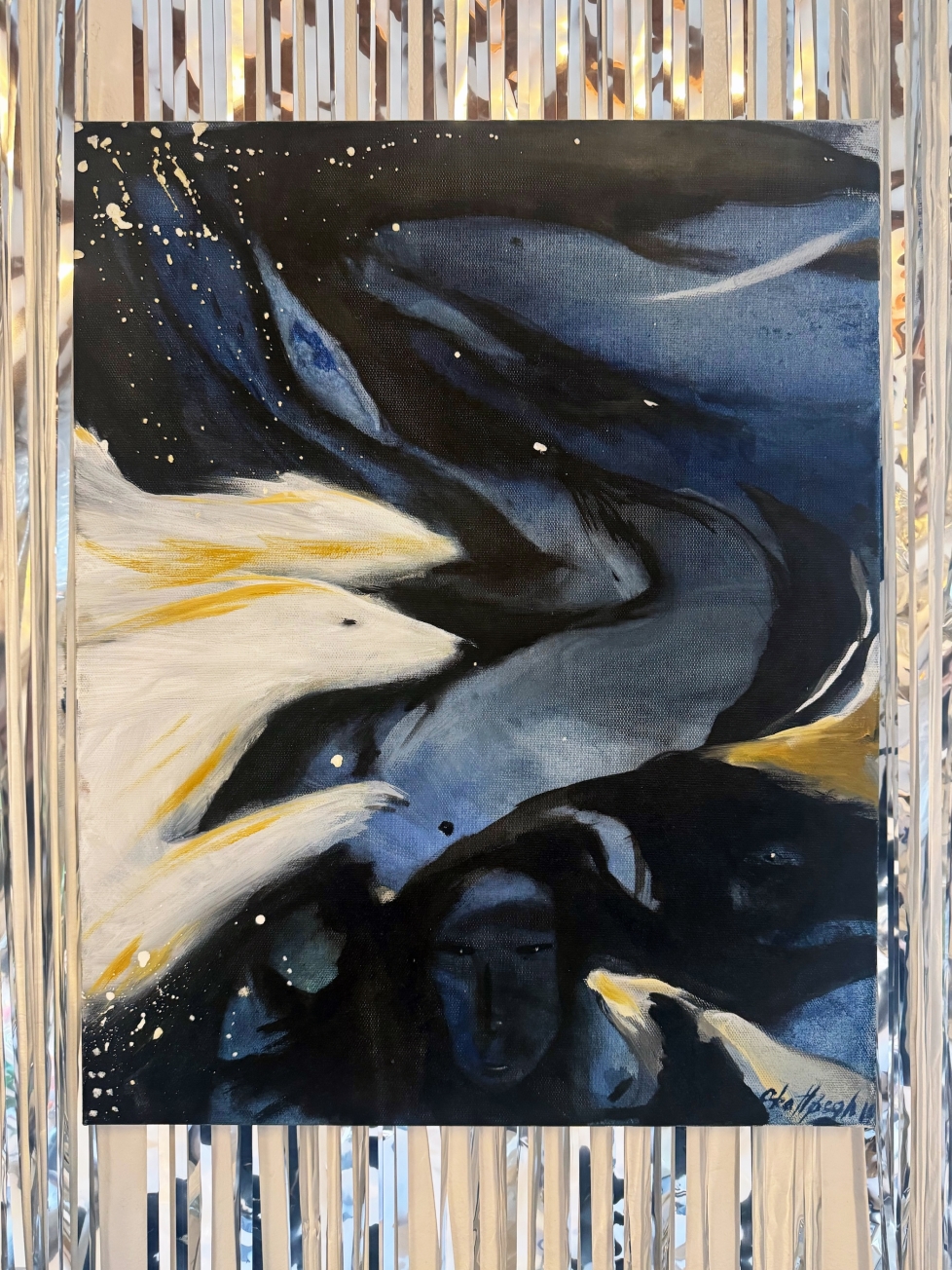
Aka Høegh, Åbner (Opens), 2019, oil on canvas. Photo: Peal.
When I bring up the painfully tense geopolitical situation in an article that’s meant to be about the exhibitions coming up in the Danish part of the commonwealth, it’s not because I want to call out the big museums and exhibition venues which, by and large, aren’t reflecting the tectonic shifts of the moment.
No one can keep pace with the insane speed at which the world order is changing from day to day – least of all if your job is to do something as time-consuming as producing exhibitions in major institutions. Art is not journalism, and museums are not broadcasters. Artists respond to the challenges of their moment in whatever ways they find relevant, or not at all. I’m on board with that. At the same time, I can understand why the usual art-going public might feel that the spring programme at Danish art institutions seems a little turned away from the world. Then again, who knows – perhaps that’s exactly what draws in the crowds these days?
The turbo-acceleration of our time and age might also explain why anniversary shows have become such a favoured format on the Danish scene in recent years. In journalism there’s a term for when you’ve run out of ideas and you reach for the diary to find an angle: “anniversary journalism.” The recent slew of features marking the tenth anniversary of David Bowie’s death is a pretty good example. In the case of art institutions, however, it feels more as if the reverse is happening. As if the sheer number and intensity of competing agendas have made it almost impossible to attempt even a tentative reading of art in its time. Against such a backdrop, the anniversary exhibition offers a safe format that’s elastic enough to hold almost anything. And sometimes it genuinely lands, like the show Julia Rodrigues and Francesca Astesani curated at Kunsthal Charlottenborg in 2023 to mark 140 wonky years of art.
After Gammel Strand’s recently wrapped-up bicentenary exhibition, Copenhagen Contemporary is celebrating its tenth anniversary this weekend with a performance festival headlined by Nadya Tolokonnikova from the Russian art-and-activist collective Pussy Riot. Other strong names on the bill include Monster Chetwynd, Kristoffer Akselbo, Aske Thiberg, and Miriam Kongstad.
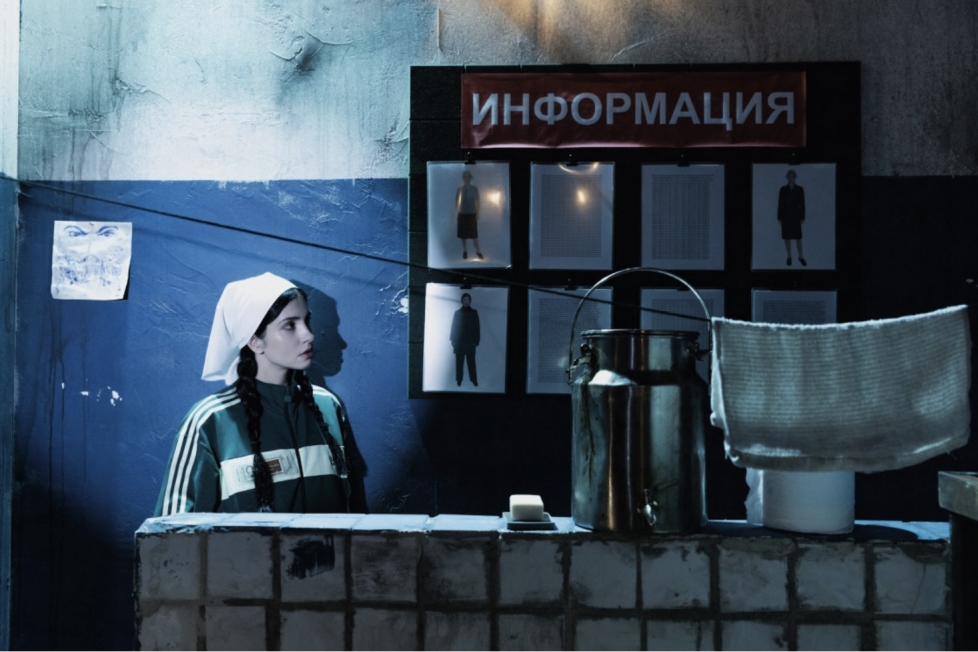
The National Gallery of Denmark (SMK) is not celebrating an anniversary. In fact, the programme is so sparse that you might well think a major renovation were under way. The museum presents just two temporary exhibitions in the whole of 2026: in February, it opens a show featuring the weaver Anne Thommesen’s abstract weavings and tapestries from the 1940s to the 1990s (in collaboration with Holstebro Kunstmuseum); in August comes the group exhibition Couples Therapy, featuring four Danish artist duos. But then again, the museum recently expanded by opening a branch in Thy, which may have stretched its resources. This spring, SMK Thy presents Living Landscapes, showing selected works from the collection ranging from European Baroque to contemporary art.
In some ways, the many solo exhibitions that continue to dominate Danish institutions have, to a certain extent, the safe format in common with the anniversary shows. They can be rolled out without regard for any other logic – conceptual or political – than the one defined by the individual artist’s oeuvre.
Among the solo exhibitions that stand out on Danish soil this spring we find a number of rather impressive international names. It begins in February with the opening of Isa Genzken at Den Frie Centre of Contemporary Art. March brings Katharina Sieverding at Gammel Strand, Małgorzata Mirga-Tas at Kunsthal Charlottenborg, Sophie Calle at Louisiana, and Marina Abramović at Cisternerne. In late June, Camille Henrot opens at Copenhagen Contemporary. All of these artists have roots in continental Europe, and all are alive today, born between 1941 and 1978.
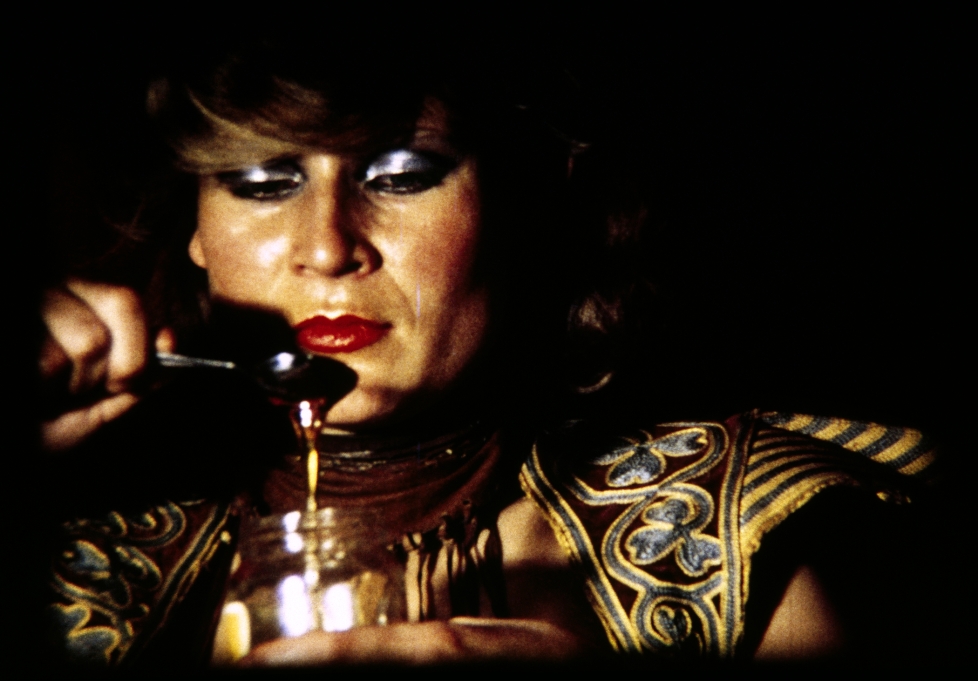
Czech-German artist Katharina Sieverding appears as the most surprising name on this list. Gammel Strand is screening her film Life–Death (1969), first presented at Harald Szeemann’s Documenta 5 in 1972. Overall, Sieverding belongs to an era when the German scene was in the driver’s seat, and she has participated in no fewer than three editions of Documenta. The film comprises many different shots of the artist’s own body and face which gradually morph into one another, oscillating between the recognisable and the unrecognisable. All of this is achieved through slow-motion footage, outré costumes, and dramatic make-up. I’m curious to see whether this investigation of identity, infused with an early glam-rock attitude, still holds up today. It might be exactly on the mark.
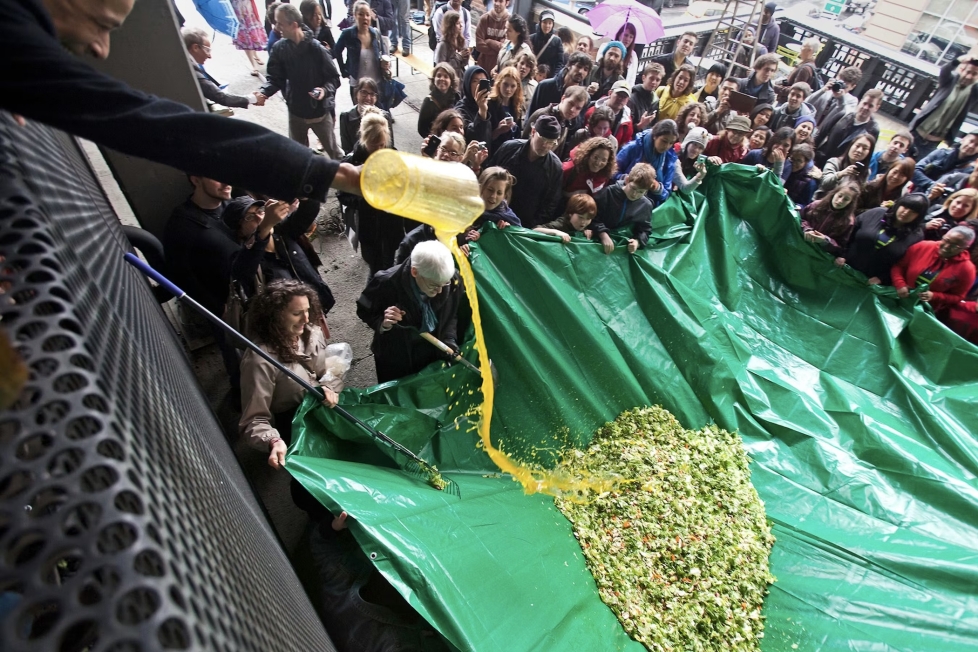
It has been a while since Nikolaj Kunsthal last proclaimed its proud Fluxus heritage. The movement’s earliest manifestations, such as the famous Festum Fluxorum Fluxus festival in 1962, took place in this very building and included contributions by the American artist Alison Knowles (1933–2025). A retrospective curated by the American Knowles expert Karen Moss opens in late April. Knowles often experimented with food in her happenings, and Nikolaj Kunsthal will restage Make a Salad from 1962, inviting visitors to prepare a giant salad together. The instruction is simple and the work has been enacted in many places around the world; it positively radiates the era’s ideals of community and pacifism. All told, we really ought to make a few more salads together.
In fact, the season does offer one Danish museum exhibition that engages directly with the geopolitical shifts of our present day. Arken’s 55.6° North takes its title from the latitude on which the museum is located and presents Nordic contemporary art, including works by Elina Merenmies, Olafur Eliasson, Jessie Kleemann, Rasmus Myrup, Jóhan Martin Christiansen, and Nina Beier & Bob Kil. “If you place a pin here on a globe and spin it, you will pass the Baltic States, Poland, Ukraine, Russia, northern China, Alaska, Canada and England before returning to the Nordic region,” says the museum’s proposal for a new framing of the region.
I am hardly the only one whose inner compass has been jittering anxiously back and forth over the past year. And even if Arken’s approach is not revolutionary – it is, in a sense, ‘just’ a presentation of selected works from the collection – it is a useful reminder that an exhibition can also simply be a point of departure, in this case offering a prism through which to view the Nordic art scene in the context of a new world order that will lead us to places no-one knows yet. At least, it’s a beginning. As the diplomats in Nuuk, Copenhagen, and Washington have been saying in recent days: the important thing is to keep the conversation going.
– Translated from Danish.