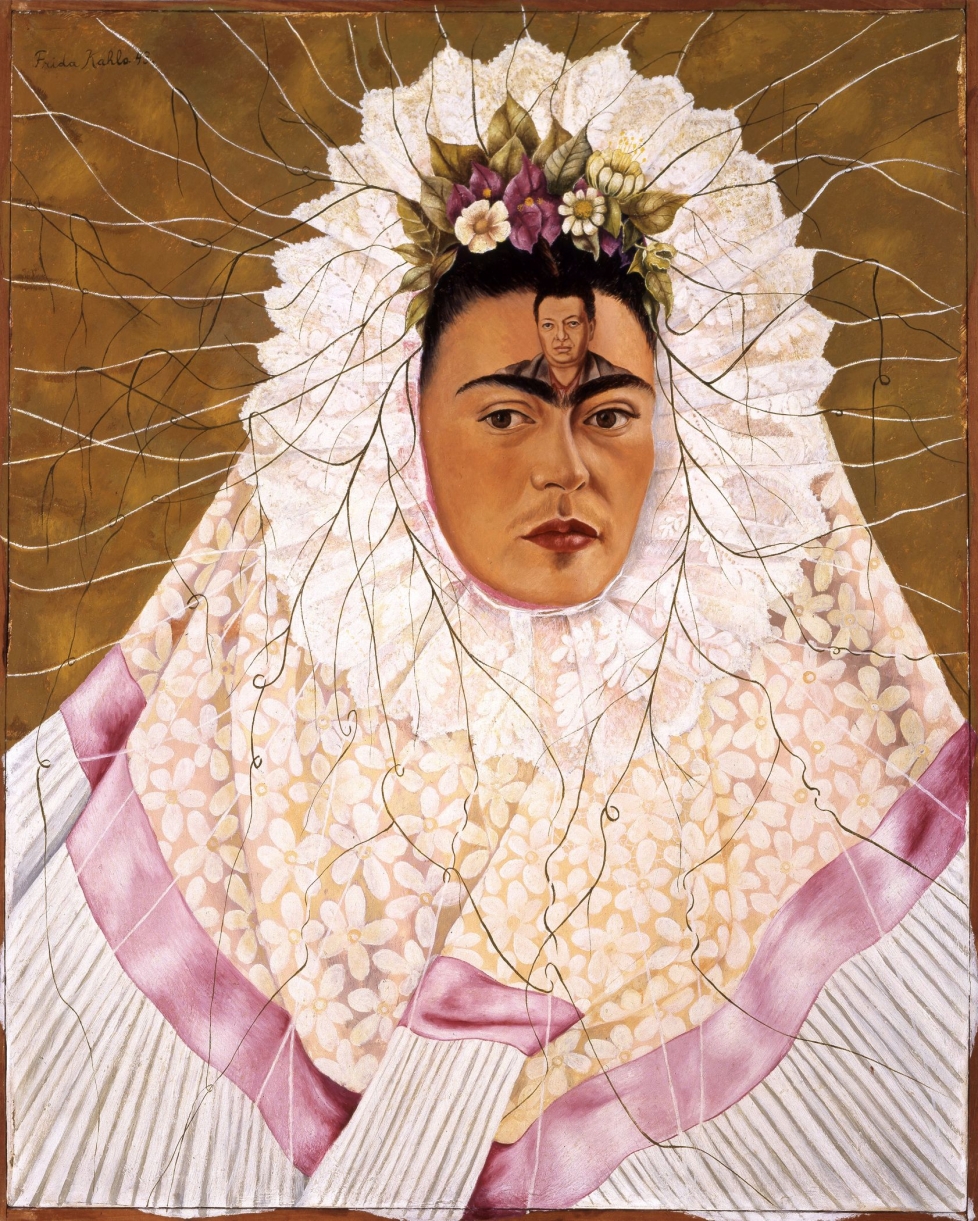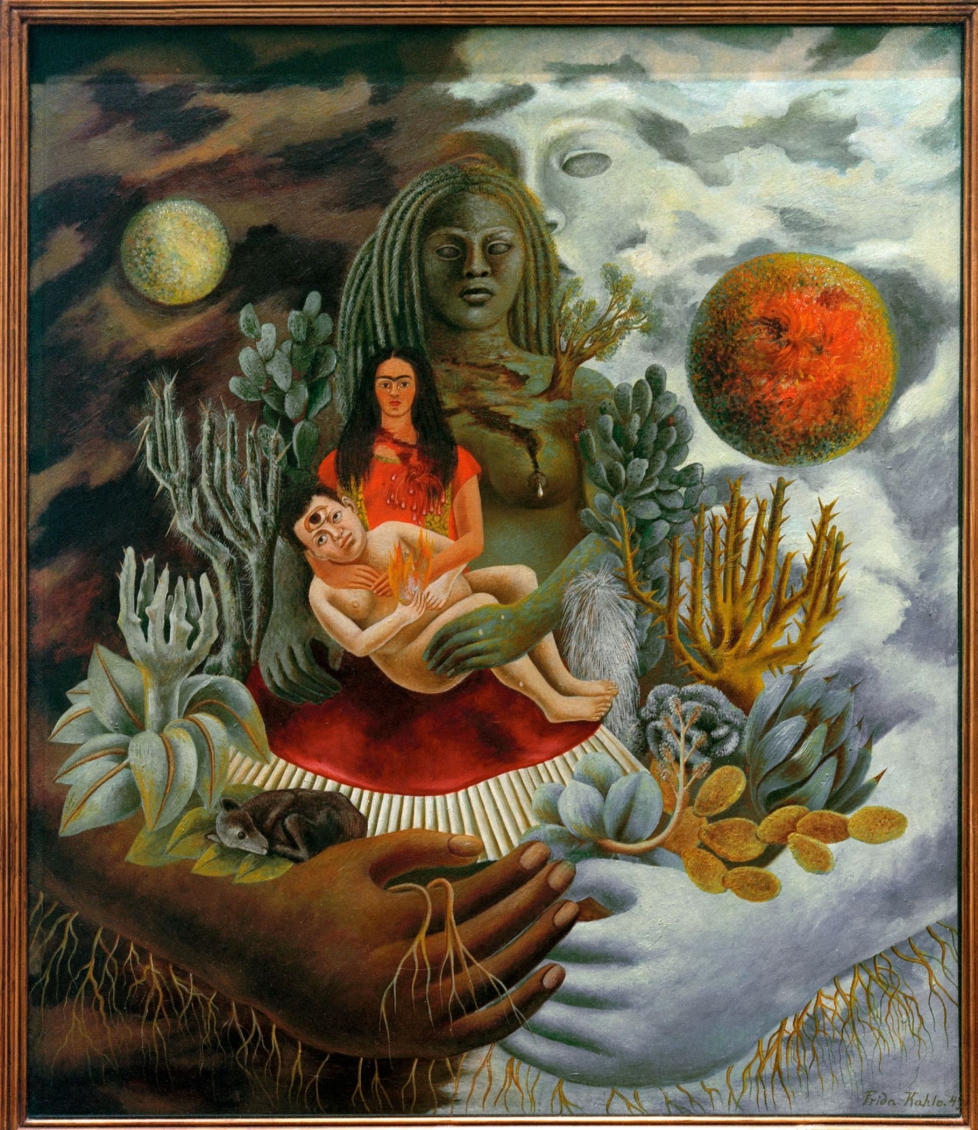
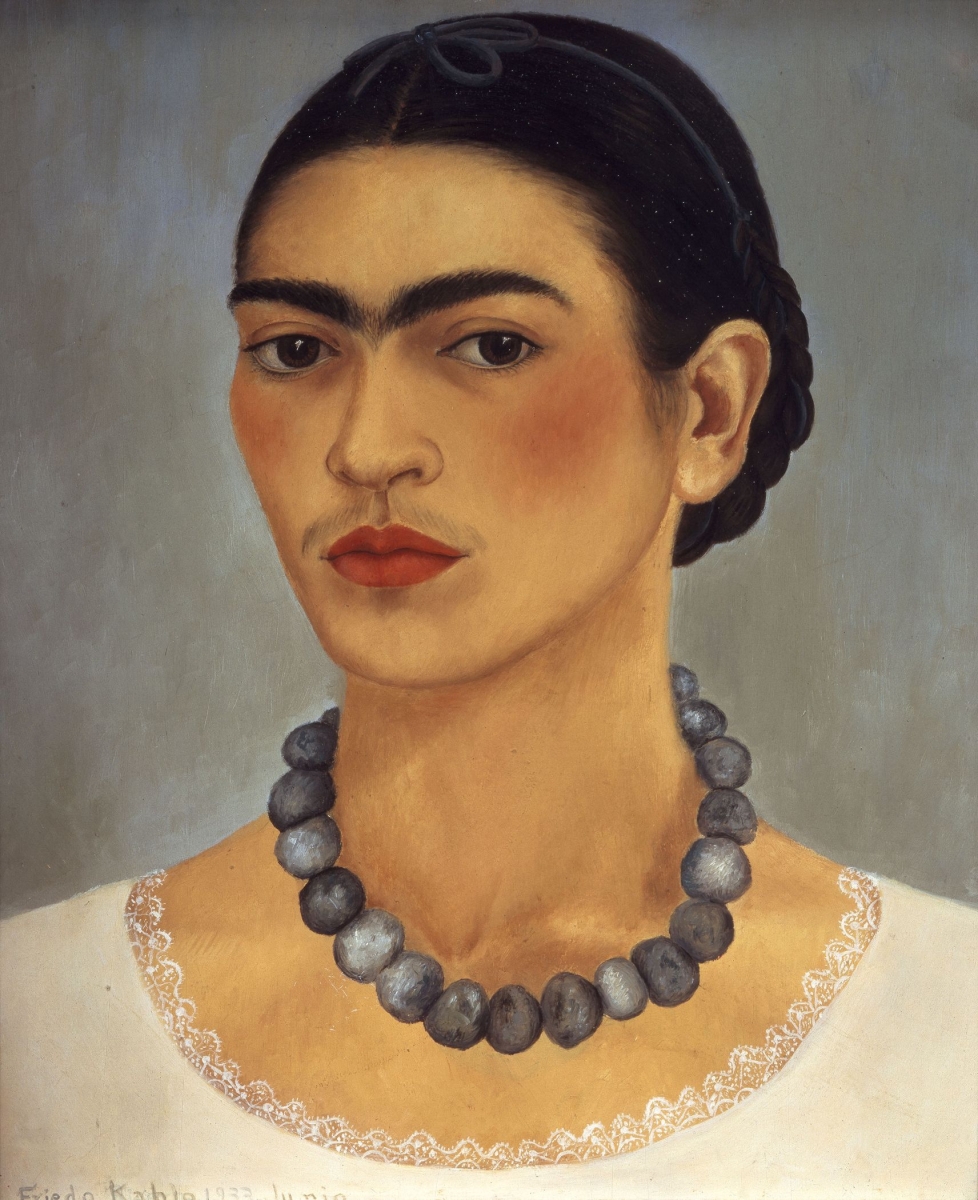
If the National Museum of Norway, Neue Nationalgalerie, and Fondation Beyeler go through with their plans to present the touring exhibition of works by Frida Kahlo from the Gelman Collection, they will offer European audiences a rare and meaningful opportunity: to encounter, firsthand, one of the most significant bodies of work by an artist whose cultural and historical importance continues to resonate globally. At the same time, the exhibition is accompanied by an increasingly complex discussion about ownership, access, cultural responsibility, and the future location of a collection that is deeply embedded in Mexico’s cultural landscape.
The Gelman Collection, assembled by Jacques and Natasha Gelman in the mid-20th century, occupies a singular position in the history of modern Mexican art. It includes an exceptional group of works by Kahlo alongside key paintings by Diego Rivera and others. Over the decades, the collection has experienced a complex trajectory, shaped by inheritance disputes, shifting custodianship, and periodic international circulation.
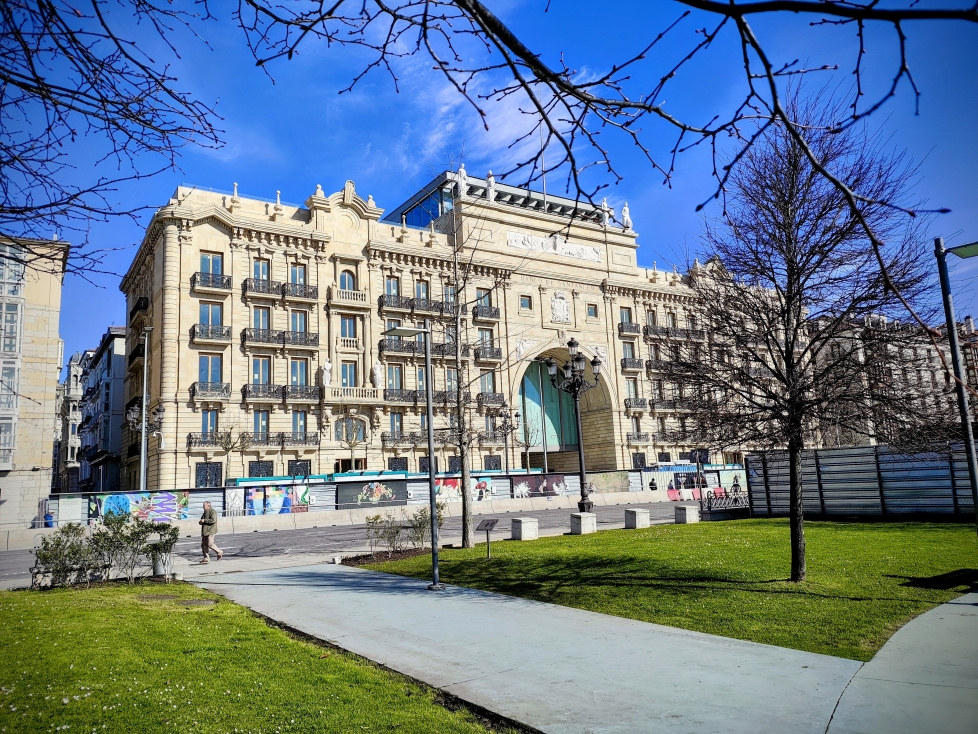
Recent developments have introduced a new phase. A substantial portion of the collection has been placed by its current owner, the Zambrano family (a Monterrey-based industrial dynasty), under the management of the Spanish multinational Banco Santander, which plans to house it at its new cultural centre in the city of Santander, Faro Santander. While the details of this arrangement continue to be discussed, and the information emerging is obscure at best and often contradictory, it signals a transition from a primarily Mexico-based framework toward a more transnational institutional context.
This shift has prompted a wide range of responses within Mexico’s cultural community and is currently being discussed as high up as the Mexican Senate. It is important to note that responses are not uniform. Many acknowledge the value of international visibility for Kahlo’s work while also expressing concern about the long-term accessibility of these works within Mexico itself should the collection be indefinitely relocated to Spain. These perspectives reflect a broader, ongoing conversation about how cultural heritage can be shared globally while remaining meaningfully connected to its context of origin that has been picked up by international media including The Guardian, Artnews, The Arts Newspaper, as well as the Norwegian newspaper Klassekampen.
Kahlo’s works have been designated as protected cultural heritage by the Mexican state since 1984, when they were declared a “national artistic monument.” This designation does not prevent private ownership or international loans, but it does establish a framework for oversight, including limits on the duration and conditions of export. The current tour, which involves a larger number of works and a longer timeframe than usual, has therefore drawn attention. Scrutiny of the agreement reached with INBAL (the national organisation in Mexico charged with protecting artistic heritage and implementing cultural policy) reveal these unusual concessions, eliciting concern about the flexibility and the complexity of heritage governance in a globalised cultural landscape. Banco Santander’s latest statement a few days ago in reaction to the local and international criticism emphasises that the collection will return to Mexico for exhibition purposes in 2028, yet doesn’t clarify that this decision was already announced last January as part of the overall plan for the collection’s long-term management.
Such situations are not unique to Mexico. Around the world, cultural institutions, governments, and private owners are navigating similar questions: How to balance legal ownership with cultural significance, mobility with rootedness, and global access with local responsibility? In this context, the Kahlo exhibition becomes part of a larger conversation – one that museums are increasingly engaging with as part of their public role.
The concerns raised in recent discussions, including a widely circulated open letter published on e-flux and signed by an extensive number of art professionals, highlight a structural tension familiar to many institutions. Artworks may belong to individuals or collections, yet their cultural meaning often extends far beyond ownership. They become part of shared histories, identities, and imaginaries.
The letter does not read like a protest against international exchange. It reads as an indictment of a system, framing the Gelman Collection’s potentially indefinite departure from Mexico as a failure to safeguard cultural heritage. The concerns voiced are concrete: a breakdown of institutional protection, the exposure of nationally significant works to opaque private control, and the loss of public accountability for the stewardship of objects deeply embedded in Mexico’s cultural identity. Legally, the situation may be defensible. But legality, as the letter insists, is not the same as legitimacy. A key question regards the conditions under which cultural heritage can quietly pass into private, transnational circuits largely insulated from public scrutiny.
Mexican art critic Maria Minera, one of the letter’s signatories, told me during a recent conversation that the cultural community in Mexico has mixed feelings about the issue. They acknowledge the value of having Kahlo’s work shown and appreciated beyond their borders, but fear that the eleven Kahlo paintings in the collection could end up touring for an indefinite period of time, preventing them from being exhibited in Mexico. Minera expressed concern that the paintings were being used as collateral for a debt incurred by the collections recent owner, and that they could be sold off further down the line. She appeals to the museums that will be exhibiting the works in Europe in the coming months to show solidarity with the Mexican people as this worrying situation unfolds.
For museums, this case creates a complex position. Exhibitions are not only opportunities to present works of art; they are also occasions in which the conditions of those works’ circulation become visible. Increasingly, audiences are attentive not only to what is shown, but to how and why it is shown. This does not imply that exhibitions such as the Kahlo tour should not take place. On the contrary, it is a valuable opportunity for audiences in Oslo, Berlin, and Riehen to encounter these significant works. Rather, it suggests that exhibitions today must operate both as spaces of aesthetic experience and as spaces of reflection on the broader systems that make such experiences possible.
Museums have long navigated the myth of neutrality. Traditionally, exhibitions have focused on artistic narratives – biography, form, influence – while leaving aside issues of ownership, movement, and power. Today, however, institutions are actively rethinking this approach. In recent years, museums across Europe and beyond have engaged openly with questions of provenance, restitution, and cultural responsibility. These developments have demonstrated that transparency and critical framing strengthen public trust. Within this evolving landscape, the Kahlo exhibition stresses the need to extend such practices into the domain of international loans and private collections. To increasingly informed audiences, it becomes necessary and desirable to imagine the museum as an active mediator rather than a neutral host – one that provides context, invites dialogue, and acknowledges complexity.
What might this look like in practice? Several approaches could be considered, each building on existing museological practices while responding to the specific context of the Gelman Collection.
1. Transparency and Contextualisation
Museums are well placed to provide audiences with a clear understanding of the collection’s history and current situation. This could include information about the formation of the Gelman Collection and its historical connection to Mexico, as well as its recent transition to new management structures and ensuing debates in the Mexican Senate. Such contextualisation can offer audiences an informed framework through which to understand the works not only as individual masterpieces, but as part of a larger narrative.
2. Acknowledging Multiple Perspectives
The discussion surrounding the collection includes a range of voices, particularly from Mexico. Integrating these perspectives into the exhibition – through wall texts, podcasts, publications, or public programmes – not only enriches the narrative, but also anchors the host museums within the plurality of viewpoints that characterise the current debate. This approach aligns with broader efforts within the global museum field to diversify authorship and to include voices from contexts directly connected to the works on display.
3. Addressing Questions of Access and Continuity
Without making definitive claims about the future of the collection, museums can acknowledge that its long-term accessibility in Mexico is a subject of ongoing discussion. This introduces an important dimension to the exhibition experience: the awareness that cultural heritage is not static, but shaped by decisions, negotiations, and shifting politics and circumstances. Such an approach not only deepens audience engagement, but also transforms the exhibition from a purely retrospective presentation into a reflection on the present and future of cultural heritage. This aspect becomes specially significant when the museums in question are flagship institutions with a national mandate to lead the field.
4. Creating Space for Public Dialogue
Museums are uniquely positioned to convene conversations. Public programmes accompanying the exhibition could address themes such as the relationship between private ownership and public heritage, the global circulation of art, the art world’s position in the face of the increasing commodification of art, and the role of museums in mediating complex histories. These conversations need not provide definitive answers. Their value lies in opening space for informed and respectful exchange, and in taking audiences seriously as an informed and reflexive corpus.
5. Building Institutional Connections
The exhibition could also serve as a platform for strengthening relationships with Mexican institutions, scholars, and practitioners. Collaborative initiatives – whether in research, programming, or future projects – can strengthen the increasingly needed ties of solidarity between institutions and contribute to a reciprocal model of cultural exchange that in this precarious financial panorama becomes a key to future operations. Such efforts resonate with a broader shift in international museum practice toward partnership-based approaches that emphasise alliances, mutual benefit, and long-term engagement.
If the approaches described above focus on framing, interpretation, and connection, a further question emerges: How can exhibitions such as these also open space for forms of institutional agency and collective practice? Without overstepping their role, the National Museum of Norway, Neue Nationalgalerie, and Fondation Beyeler are in a position to signal how questions of access and stewardship might be carried forward. This could include, for instance, expressing their joint support for the long-term accessibility of the Gelman works in Mexico, or developing collaborations that foster a shared thinking around future stewardship.
The Kahlo case also points to a broader institutional horizon. While museums increasingly engage with questions of provenance and restitution, the international circulation and commodification of culturally significant works remains less clearly articulated. Situations such as this invite consideration of whether more explicit practices might gradually take shape – whether through forms of disclosure, shared guidelines, or evolving professional standards. Rather than prescribing a single course of action, the exhibition offers an opportunity to reflect on how museums might contribute to shaping frameworks that are becoming increasingly urgent. In this sense, the question is not only how to mediate the present case, but how to respond to it in ways that resonate beyond it.
Kahlo’s work has long been associated with questions of identity, politics, and lived experience. To encounter her paintings today is to engage not only with their formal and symbolic richness, but also with their continued relevance. Presenting these works in Europe is a rare opportunity to connect audiences with that legacy. It is also an opportunity to reflect on the conditions under which such connections are made. An exhibition that situates the works within their current context – however complex – can offer a richer and more meaningful experience. It invites audiences to consider not only what they are seeing, but also how those works have come to be there, and what that movement signifies.
The movement of artworks across borders is a defining feature of the contemporary art world. It enables exchange, dialogue, and visibility. At the same time, it raises important questions about responsibility, particularly when works carry deep cultural significance. Museums are not alone in navigating these questions. They operate within networks that include collectors, governments, legal frameworks, and audiences. Yet their public role gives them a particular capacity – and, increasingly, an expectation – to engage with such issues thoughtfully.
The works from the Gelman Collection will be seen in Oslo, Berlin, and Riehen. This is, in itself, a significant cultural event. The question is not whether these exhibitions should take place, but how they should be shaped in ways that reflect the evolving role of museums today.
By embracing a framework that combines access with context, presentation with reflection, these institutions have an opportunity to demonstrate leadership. Not by resolving all the tensions inherent in the situation, but by acknowledging them, creating space for dialogue, and laying the ground for responsible museological practices. In doing so, they can advocate for a model of exhibition-making that is intellectually rigorous, publicly engaged, and meaningful in our times – one that recognises that the movement of art has never only been about objects, but also about the meanings, histories, and responsibilities that travel with them.